
Copper nickel (CuNi) strips are high-performance alloys composed primarily of copper, with varying percentages of nickel—commonly 70/30 or 90/10 compositions. These strips are designed for electrical applications requiring a combination of excellent electrical conductivity, corrosion resistance, and mechanical strength. The copper content ensures efficient current flow, while nickel improves durability, resistance to oxidation, and thermal stability. Depending on the alloy grade, CuNi strips can withstand both marine and industrial environments, making them ideal for harsh operating conditions.
Applications
Electrical busbars and connectors
Switchgear and circuit components
Marine electrical systems and shipboard wiring
Power generation equipment
Control panels and industrial instrumentation
Industry Trend
With the expansion of renewable energy, marine power systems, and industrial automation, the demand for high-performance electrical alloys is increasing. CuNi strips are increasingly specified for applications where consistent conductivity, corrosion resistance, and mechanical durability are critical. Unlike pure copper, CuNi strips resist oxidation and tarnishing, reducing maintenance frequency. In addition, industries are emphasizing long-lasting, sustainable materials that can handle high current loads without degradation, positioning CuNi as a preferred material for electrical applications.
Properties Material | Resistivity 200c μΩ.m | Max working temperature (℃) | Tensile strength (Mpa) | Melting point (℃) | Density (g/cm3) | TCR *10-6/℃ (20-600℃) | EMF vs Cu (μV/℃) (0-100℃) |
CuNi1 | 0.03 | 200 | 210 | 1085 | 8.9 | <100 | -8 |
CuNi2 | 0.05 | 200 | 220 | 1090 | 8.9 | <120 | -12 |
CuNi6 | 0.1 | 220 | 250 | 1095 | 8.9 | <60 | -18 |
CuNi8 | 0.12 | 250 | 270 | 1097 | 8.9 | <57 | -22 |
CuNi10 | 0.15 | 250 | 290 | 1100 | 8.9 | <50 | -25 |
CuNi14 | 0.2 | 300 | 310 | 1115 | 8.9 | <30 | -28 |
CuNi19 | 0.25 | 300 | 340 | 1135 | 8.9 | <25 | -32 |
CuNi23 | 0.3 | 300 | 350 | 1150 | 8.9 | <16 | -34 |
CuNi30 | 0.35 | 350 | 400 | 1170 | 8.9 | <10 | -37 |
CuNi34 | 0.4 | 350 | 400 | 1180 | 8.9 | 0 | -39 |
CuNi44 | 0.5 | 400 | 420 | 1200 | 8.9 | <-6 | -43 |
DZX specializes in high-quality Copper Nickel strips engineered for electrical applications requiring a combination of conductivity, durability, and corrosion resistance. Our strips are ideal for marine, industrial, and power generation systems where long-lasting performance under harsh conditions is critical.
Comparison Table
| Property | CuNi 90/10 | CuNi 70/30 | Pure Copper |
|---|
| Composition (Cu/Ni) | 90/10 | 70/30 | 100/0 |
| Density (g/cm³) | 8.9 | 8.9 | 8.96 |
| Tensile Strength (MPa) | 340–380 | 450–500 | 210–250 |
| Yield Strength (MPa) | 105–130 | 150–200 | 70–100 |
| Elongation (%) | 30 | 25 | 40 |
| Electrical Conductivity (% IACS) | 22–25 | 15–18 | 100 |
| Corrosion Resistance | Excellent | Superior | Poor in seawater |
| Applications | Electrical components, marine systems | Power generation, offshore | General wiring, electronics |
Applications and Performance
In electrical systems, CuNi strips serve as busbars, connectors, switchgear components, and wiring in industrial plants and marine vessels. Unlike pure copper, DZX CuNi strips resist oxidation and seawater corrosion, maintaining electrical efficiency and reducing maintenance costs over time. The combination of copper’s conductivity and nickel’s strength ensures that strips withstand mechanical stress, thermal cycling, and harsh environmental conditions, making them perfect for both new installations and retrofits.
Marine and Industrial Relevance
CuNi strips are widely used in shipbuilding, offshore platforms, and desalination plants, where exposure to saline water and corrosive atmospheres is common. DZX’s strips resist biofouling and oxidation, ensuring reliable current flow in marine switchgear and onboard electrical networks. Industrial power systems also benefit from the alloy’s stability under high currents and fluctuating temperatures, making CuNi strips ideal for power distribution, control panels, and instrumentation systems.
Industry Trends
The push for sustainable, long-lasting electrical materials drives demand for CuNi alloys. Engineers increasingly specify CuNi strips for applications that require durable, low-maintenance, and corrosion-resistant materials. The growing adoption of renewable energy, offshore projects, and automated industrial systems further reinforces the importance of high-performance electrical alloys. DZX’s CuNi strips meet these modern industry demands with consistent quality and reliability.
DZX Advantage
DZX maintains full control over alloy composition, rolling, annealing, and finishing processes, guaranteeing uniform thickness, surface quality, and mechanical performance. Every CuNi strip undergoes rigorous testing to ensure compliance with ISO and ASTM standards, delivering confidence for electrical engineers and project managers alike.
We also offer custom sizes and specifications, allowing clients to adapt strips for specific projects, including specialized busbars, marine electrical components, and industrial connectors. Our technical support team works closely with clients to ensure proper installation, thermal performance, and long-term reliability.
Sustainability and Reliability
CuNi strips from DZX are fully recyclable and designed for long service life, minimizing replacement frequency and environmental impact. Their corrosion resistance and mechanical strength ensure stable electrical performance, reducing the risk of system failures and costly maintenance.
Choosing DZX CuNi strips means investing in reliable, high-performance materials for electrical systems in industrial, marine, and power generation environments. With precision manufacturing, quality assurance, and technical expertise, DZX remains a trusted supplier of copper-nickel alloys worldwide.


About Us:
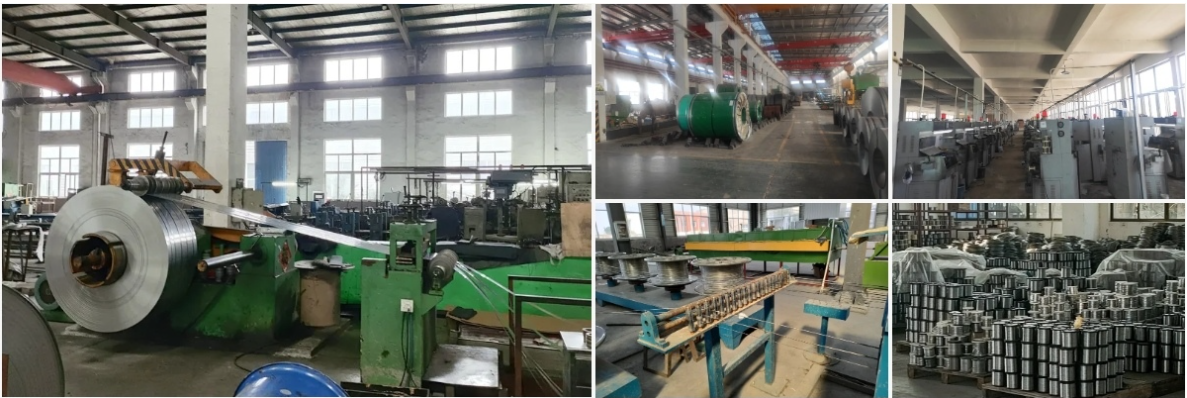
Our 12,000㎡ factory is equipped with complete capabilities for research, production, testing, and packaging. We strictly adhere to ISO 9001 standards in our production processes, with an annual output of 1,200 tons. This ensures that we meet both quantity and quality demands. Furthermore, all products undergo rigorous simulated environment testing including high temperature, high pressure, and corrosion tests before being dispatched, ensuring they meet customer specifications. For all our clients, we offer timely and multilingual after-sales support and technical consulting, helping you resolve any issues swiftly and efficiently.
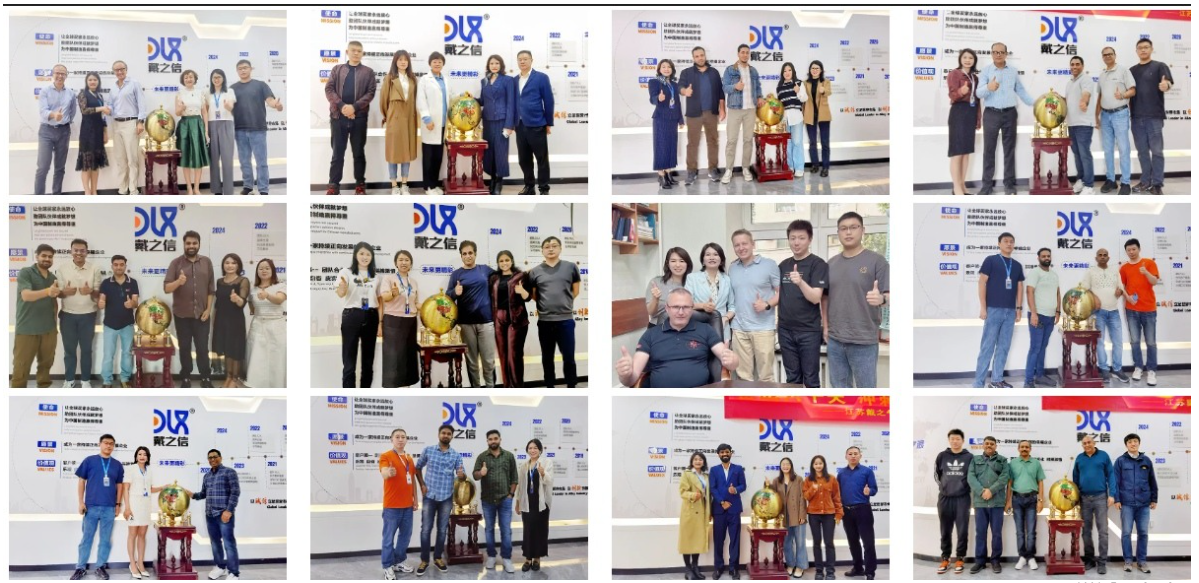
Client Visits
Building Stronger Partnerships
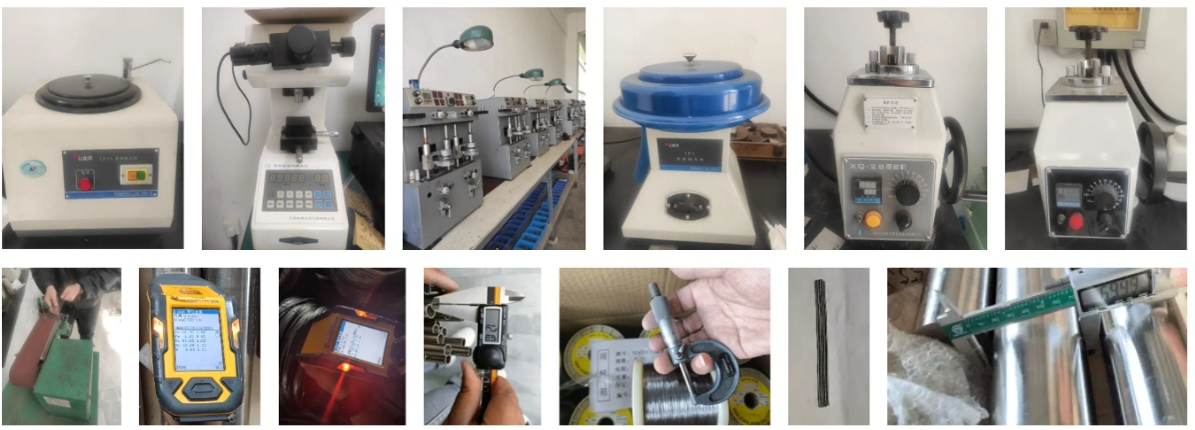
We support all kinds of testing:

Q1: What is the composition of CuNi strips?
A1: Typically, CuNi strips contain 70–90% copper with the balance nickel, plus minor additions of iron or manganese to enhance strength and corrosion resistance.
Q2: Can CuNi strips be used in marine electrical systems?
A2: Yes, CuNi strips resist seawater corrosion and biofouling, making them suitable for shipboard power systems and offshore platforms.
Q3: Are CuNi strips easy to fabricate?
A3: Yes, they can be cut, bent, drilled, and formed with standard equipment while maintaining mechanical integrity and conductivity.
Q4: How does CuNi compare to pure copper in electrical applications?
A4: CuNi offers slightly lower conductivity than pure copper but significantly better corrosion resistance and durability, especially in marine or industrial environments.
Q5: What thicknesses are available for CuNi strips?
A5: Standard thicknesses range from 0.1 mm to 5 mm, with custom sizes available for specialized applications.
Q6: Are CuNi strips ISO or ASTM certified?
A6: Yes, DZX CuNi strips comply with international standards such as ASTM B111/B122 and ISO certifications, ensuring consistent quality.
Q7: How long can CuNi strips last in electrical systems?
A7: With proper installation, CuNi strips can last decades, even in harsh marine or industrial environments.
Q8: Which industries benefit most from CuNi strips?
A8: Marine, power generation, industrial automation, switchgear manufacturing, and electrical infrastructure industries benefit most.


